6 Reasons to Dive Sipadan Island
From whirling barracuda tornadoes to green turtles that barely bother to move, six reasons Sipadan keeps its place among the world's best dive sites.
Sipadan Island is regularly voted among the top dive destinations by dive magazines and their readers. It holds over 3,000 species of fish and more than a hundred types of coral across its reefs, and the variety shows up not just in the number of species but in sheer quantity. It's no surprise divers travel from around the world to dive here.
Located off the east coast of Sabah, Malaysian Borneo, the island rises 600 metres from the seafloor of the Celebes Sea. It's the only oceanic island in Malaysia.
Here's our countdown of six favourite reasons to dive Sipadan Island.
Reason 6: Wandering Green Turtles
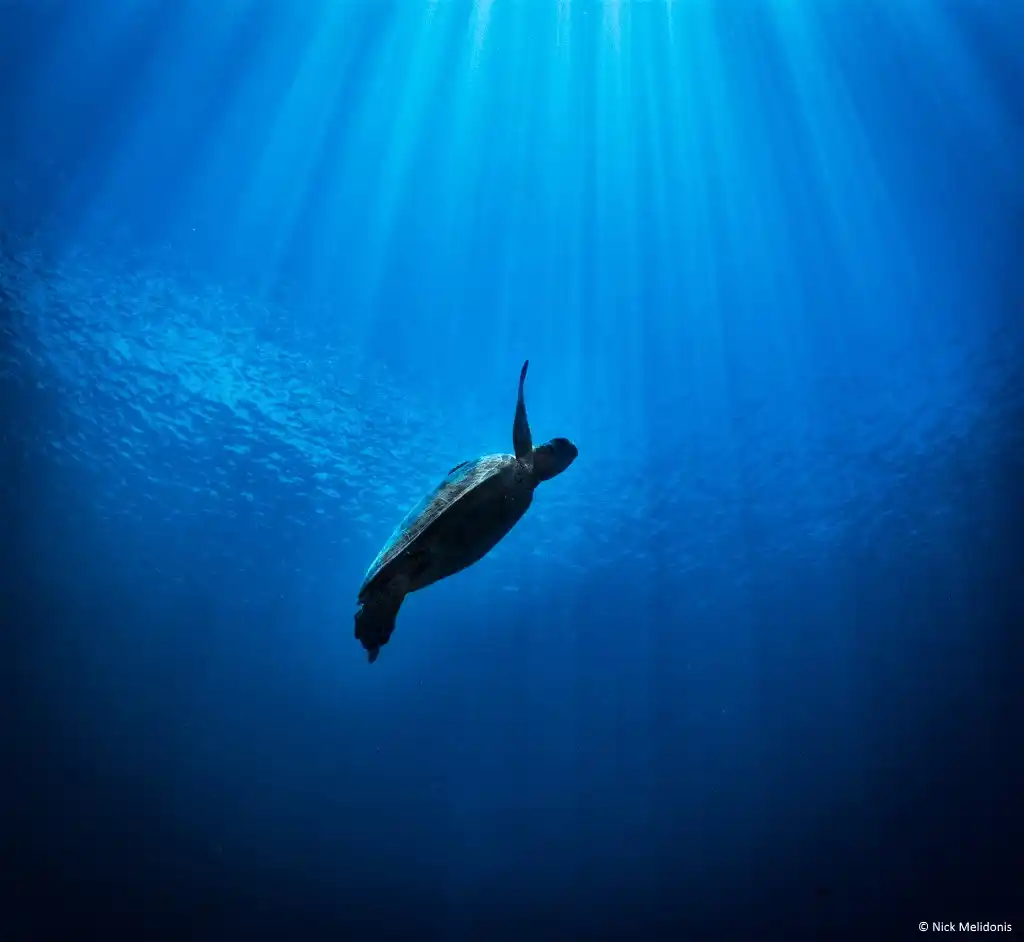
Despite being an endangered species, green turtles are a common sighting here, often seen lying motionless on the reef. Approach carefully and the interaction can last several minutes.
They move with a certain gentleness when swimming and gliding through the water. Divers have noticed that a school of jacks often signals a turtle is nearby.
Reason 5: Curious Batfish
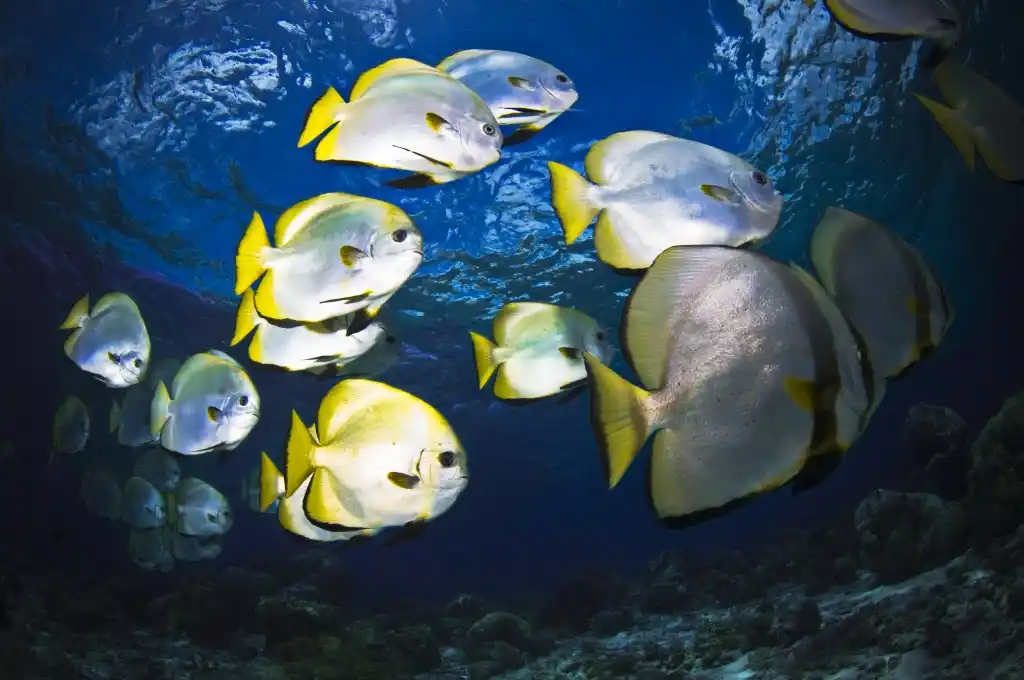
Several species of batfish live around Sipadan, but the longfin batfish is the one most often spotted in groups, usually on reef flats. They're one of the few fish that will follow a diver for a stretch of the dive.
It can feel like curiosity, but the real reason is more mundane: batfish naturally shelter under large floating objects, and a diver is close enough to qualify.
Reason 4: Resting Reef Sharks
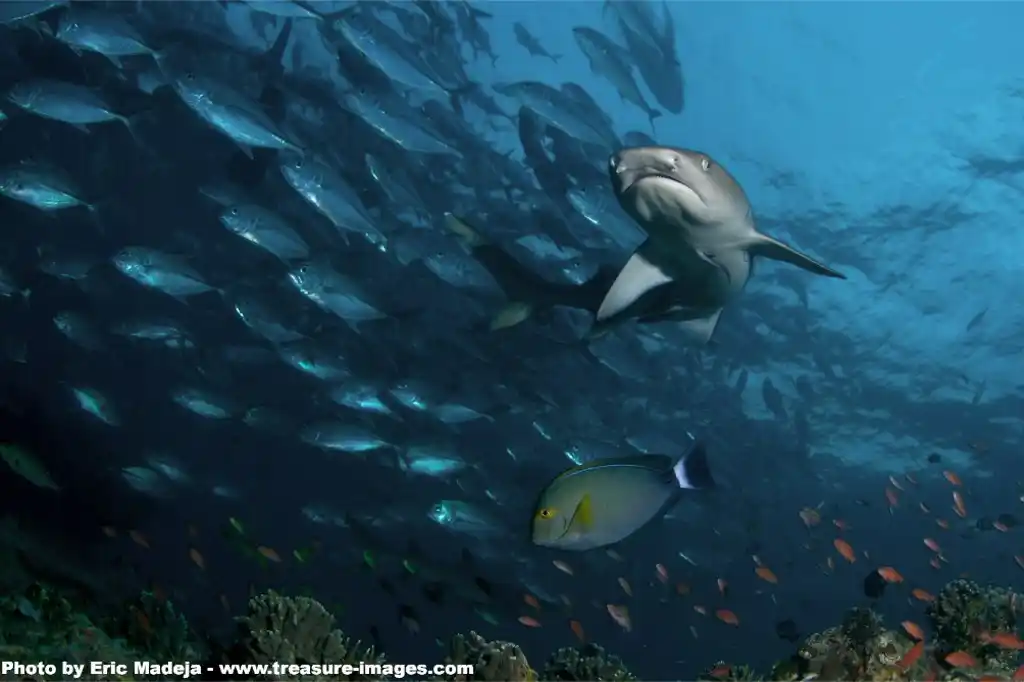
The sharks around Sipadan are reef sharks, smaller relatives of the oceanic species. Rarely active during the day, they're usually found resting motionless on the reef, though they become considerably more active after dark when hunting begins.
The most common encounters here are with whitetip and blacktip reef sharks.
Reason 3: Marching Bumphead Parrotfish
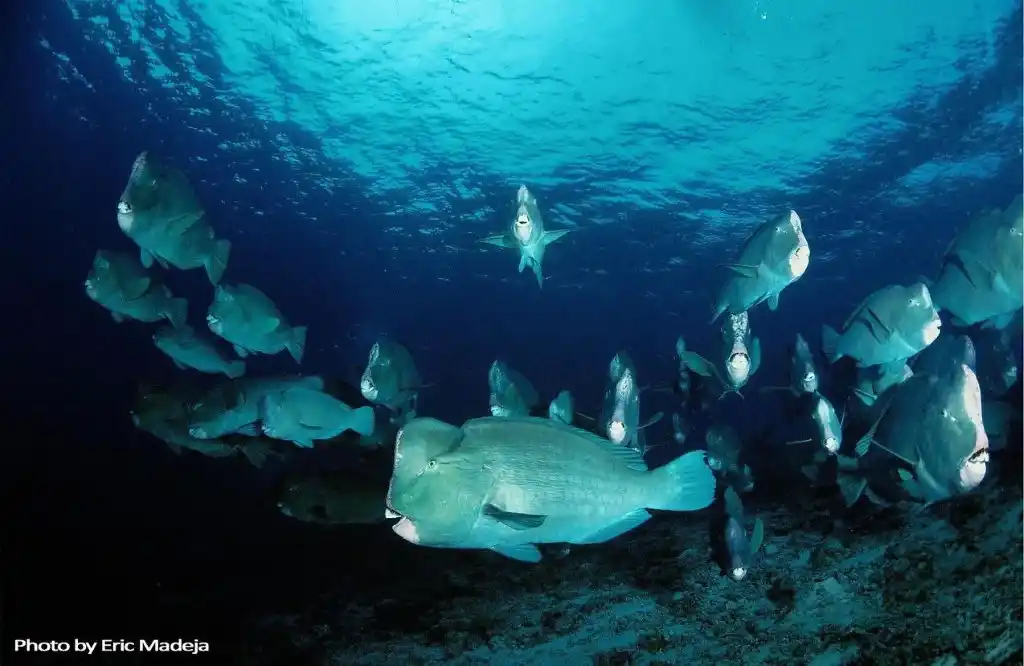
Easily identified by a vertical head profile with a bulging protrusion and a parrot-like beak, these fish grow up to 70cm and move in loose groups of 50 to 100. Staying close to the reef as they go gives them the look of marching in formation.
Reason 2: Schooling Bigeye Jacks
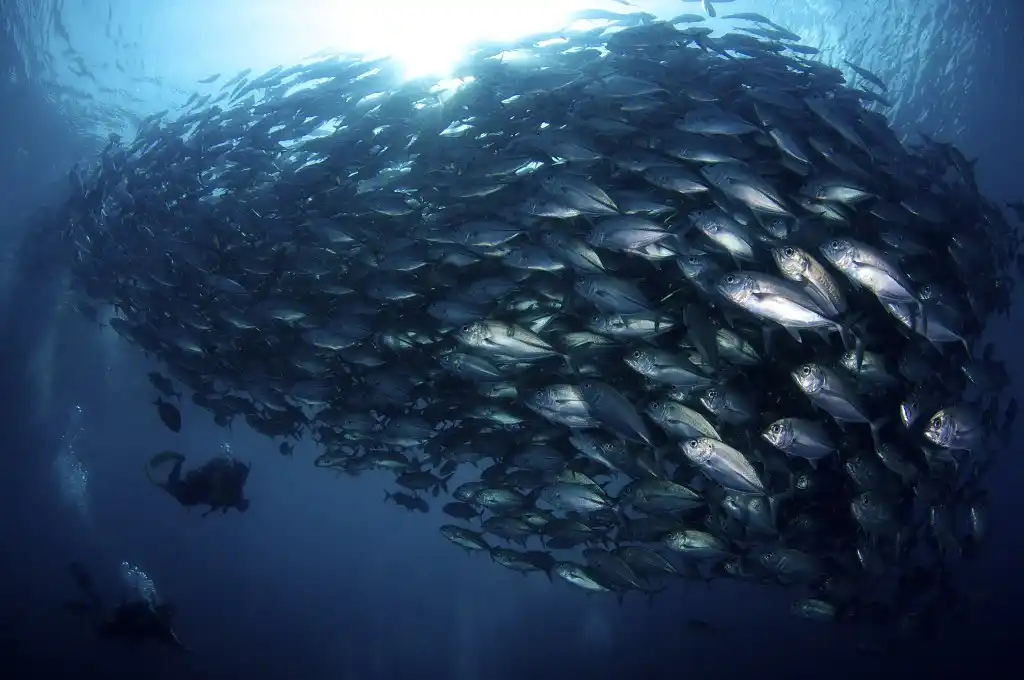
At a reef flat around 10 to 15 metres, you'll often find a slow-moving mass of medium-sized jacks forming a shifting wall of silver. Also known as trevally, they sometimes gather in groups of over a thousand.
Just before the ledge, they tend to pack into a circular, tornado-like formation, and hovering above them is a hypnotic way to spend a few minutes of bottom time. Bigeye jacks are the most common here, though bluefin jacks and giant trevally turn up too, usually in smaller numbers.
Reason 1: Whirling Barracuda
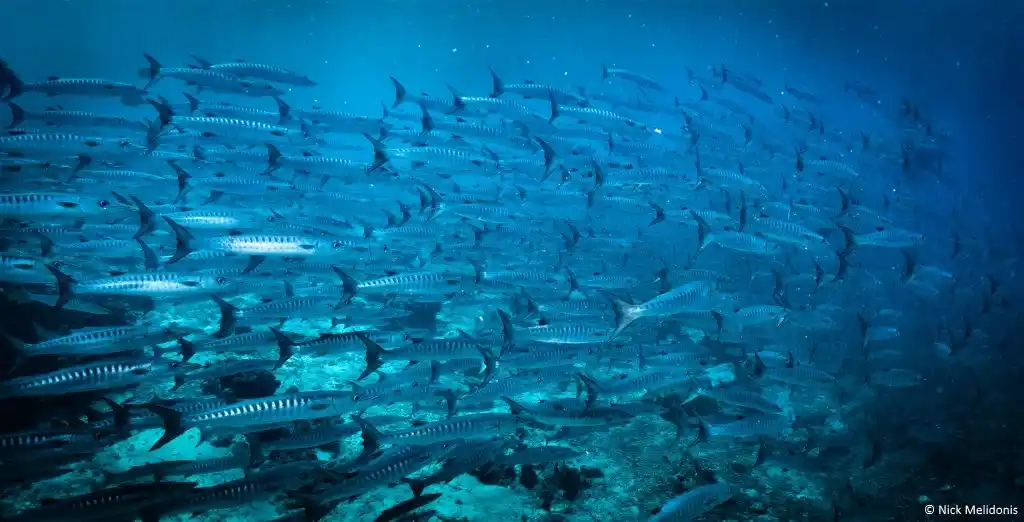
Barracuda are usually solitary fish, but the ones at Sipadan school in numbers from a few hundred to over a thousand, ranging from half a metre to a metre in length.
Chevron barracuda are the species most often seen here. They're generally safe to approach slowly, provided you leave the shiny gear at home; get too close and they'll sometimes form a wall around you, whirling as they go. Intimidating and exhilarating in roughly equal measure.
Six reasons only scratches the surface of what's down there, and which resort gives you the best odds of seeing most of it on a single trip depends on the season and how many Sipadan permit days you can get. See the resorts we work with around Sipadan, Mabul and Kapalai and we'll help you find the right one.